

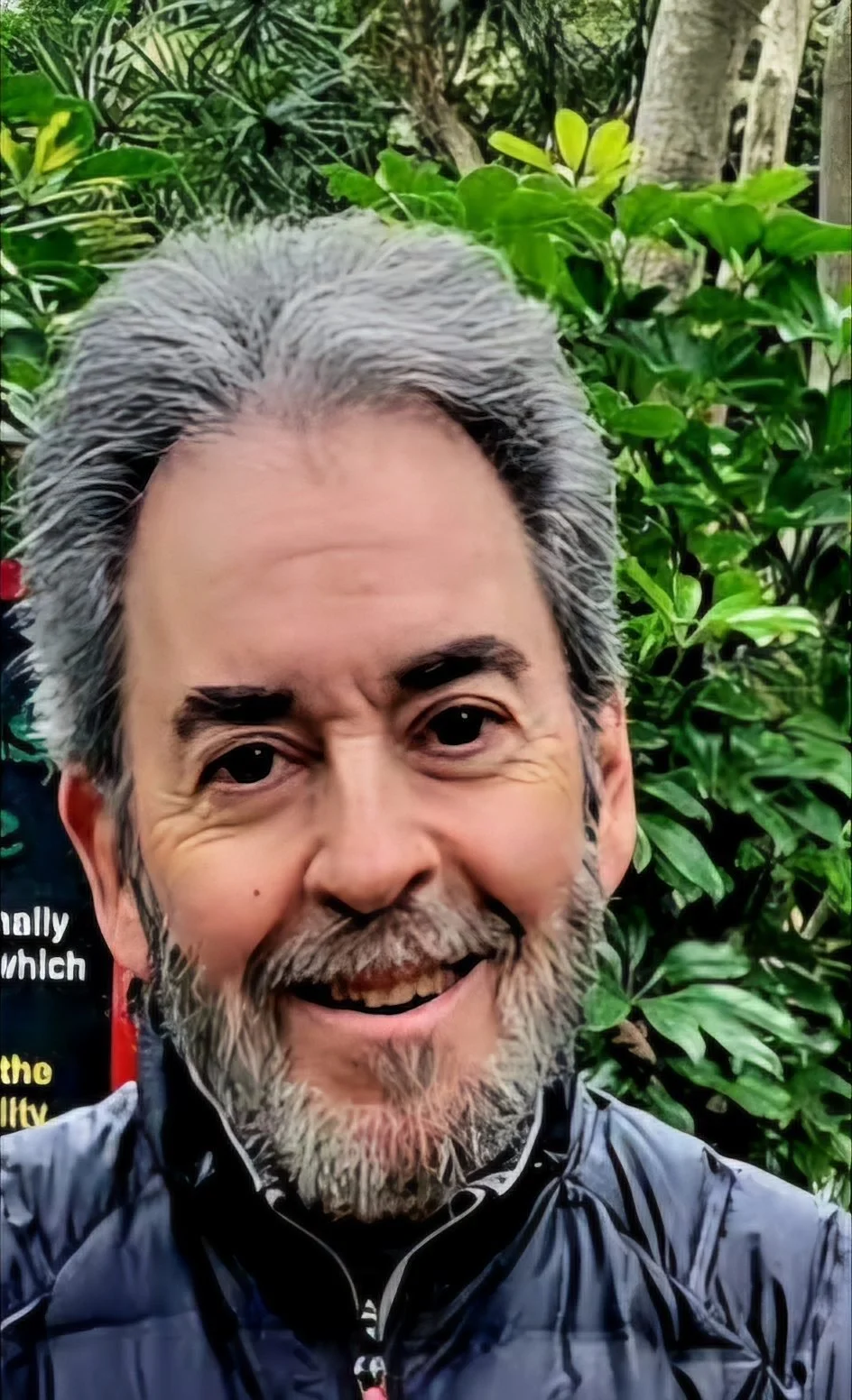
DR. bruce a. BERGER, PhD, RPh
Bruce A. Berger, PhD RPh is President of Berger Consulting, LLC and Emeritus Professor at Auburn University. He has developed comMIt (Comprehensive Motivational Interviewing Training for health care providers) and AU MITI (Auburn University Motivational Interviewing Training Institute). He has taught Motivational Interviewing in healthcare and methods for improving treatment adherence for over 30 years.
Along with Motivational Interviewing, Dr. Berger has been presenting Living with Your Eyes Open: Preventing Self-Deception and Objectification. Sometimes we see people as objects….not human…we objectify them. Self-deception causes us to become blind to or resistant to the realities of others as people. This Session focuses on the what, why and how to stop, so that we may choose to become more effective interpersonally and more available to others.
Speaking Topics
healthcare
mental health
Bruce Berger practiced pharmacy before returning to graduate school to earn a PhD in social and behavioral pharmacy that focused on health psychology and health communication. While practicing pharmacy Bruce noticed that the way health care professionals talked to patients affected whether patients were willing to consider and discuss their medications and their illnesses. Bruce was struck by how critical it is in patient care to build rapport with patients. In fact, this observation led him back to graduate school at The Ohio State University College of Pharmacy.
Since then Bruce’s research has continued to focus on 1) how health care professionals talk to patients, and 2) how their talk impacts patient outcomes such as treatment adherence. Health care professionals never stop having influence on their patients. With motivational interviewing we increase the probability that the influence will be positive.
Dr. Berger's research interests included health behavior change and improving treatment adherence. He has written or presented over 800 papers or seminars on these topics. Bruce is the author of the book, Motivational Interviewing for Health Care Professionals: A Sensible Approach (August, 2013), and an 8 hour accredited Motivational Interviewing E-Learning Program for Health Care Professionals (2015), along with William A. Villaume—see Books & Media below.
He has been a consultant and trainer for Pfizer, Inc., Procter & Gamble, Amylin, Alexion, Astra-Zeneca, Sanofi-Aventis, GSK, and various health plans, including Humana, Harvard Pilgrim, Tufts Health, and numerous BlueCross BlueShield plans as well as the Veterans Administration, US Army, and US Air Force.
He is the recipient of the Johnson & Johnson Award, the Lyman Award and the first American Association of Colleges of Pharmacy's Award of Excellence for his research. He is the 2001 recipient of the Jack L. Beal Post baccalaureate Alumni Award from the Ohio State University.
In March of 2004 Bruce was awarded a fellowship by the American Pharmacists Association (APhA) Academy of Pharmaceutical Research and Science for a lifetime of quality research.
Bruce is the 2007 and 2009 winner of the American Pharmacists Association (APhA) Wierderholt Prize for the best research publication in the social, behavioral, and administrative sciences in pharmacy in the Journal of the APhA. The first study focused on the impact of motivational interviewing.
Bruce is the 2009 recipient of the American Association of Colleges of Phamacy’s Robert Chalmers Distinguished Pharmacy Educator Award, one of the Association’s three highest honors.
He was born in Cleveland, Ohio. Bruce received his BS in Pharmacy from The Ohio State University. After practicing pharmacy for two years he returned to Ohio State and received his Masters and Ph.D. in social and behavioral pharmacy. He taught at Ohio State before moving to West Virginia University in January, 1980. After two years at WVU, Bruce moved to Auburn University and taught there until his retirement from the university in September of 2009.

WATCH Bruce’S SPEAKER REEL
KEYNOTE TOPICS
-
The rate of nonadherence has not changed in 40 years. Nonadherence to medication regimens is a multibillion-dollar problem. This session will describe a new sense making approach to motivational interviewing (MI), an evidence-based approach to improving treatment adherence with health behaviors and health outcomes. This session will help learners understand why current persuasive and paternalistic ways of talking with patients are ineffective. Cases will be used to demonstrate the effectiveness of MI skills in time limited environments, such as community pharmacy practice.
-
People know the difference between right and wrong. Most of the time, people know the difference between treating someone like a person and treating someone like an object. People are people even when they are behaving badly. Yet sometimes we see people as objects….not human…we objectify them. Self-deception causes us to become blind to or resistant to the realities of others as people. We cease to see them, and how life affects them personally. We objectify them. When people become objects to us, we feel justified in mistreating them, with less care, and often in demeaning ways. Self-deception often results in the expression of unnecessary and damaging anger. This results in deceiving ourselves, blaming others or justifying our bad behavior. Self-deception is the source of the problems we have in relationships with others personally, professionally, and within organizations. Self deception changes the nature of our communication and caring with others. This includes our relationships with patients, co-workers, and family. Self-deception causes us to see people as objects and therefore allows us to become justified in being less caring toward them….in being less understanding and as a result, stifling care, creativity, and innovation. This has far-reaching implications for patient care, employee relationships, organizations, and other relationships. The frightening thing is that most of the time people don’t know that they have objectified someone. This session will examine self-deception and its negative effects on our relationships with patients, co workers and family. In addition, it will examine why it occurs, the damaging effects it can have, and how to stop self-deception (more often) so that we may choose to become more effective interpersonally and more available to others. After attending this session, participants will be able to: • Describe how self-betrayal and self-deception leads to distorting the truth about how we see oneself and others • Describe how self-deception adversely affects our relationships with patients, co-workers, and family • Differentiate between the Responsive Way2 and the Resistant Way of Being2 and their effects on relationships. • Understand why all "illegitimate suffering" and victimization occur while in the Resistant Way of Being2 • List at least two ways to see people as people, not as objects.
-
-
-

Book Dr. berger
Fee Range: $6,000–$9,000